Active lime finds wide application in iron & steel, alumina, magnesium metal and calcium carbide production, together with power plant flue gas desulfurization and papermaking sectors. It serves as a critical auxiliary material for steelmaking. The application of active lime can improve molten steel quality, raise production capacity, reduce material consumption and production costs, and stabilize operational conditions.
Equipment for the active lime production line consists of vertical preheater, vertical cooler, rotary kiln, vibrating feeder, chain bucket conveyor, bucket elevator, belt conveyor and other related equipment.
Working Principle of Active Lime Production Line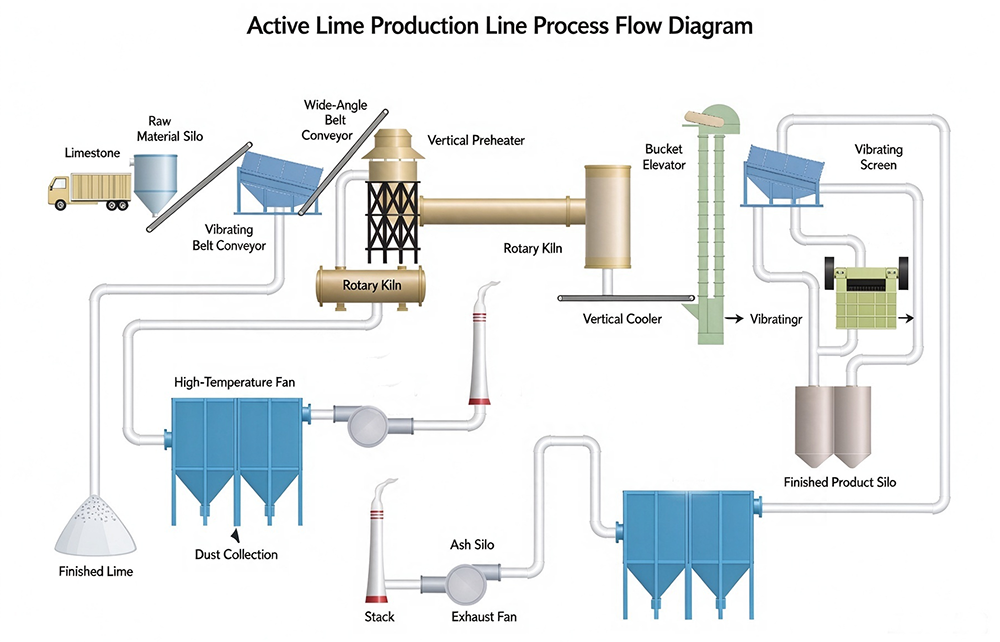
Qualified limestone is stored in the silo, lifted by the elevator and conveyed to the top silo of the preheater. The feeding rate is controlled by the level gauge in the top silo of the preheater, and limestone is evenly distributed into each chamber of the preheater through feeding pipes.
Limestone is heated to approximately 900°C by 1150°C kiln flue gas inside the preheater, with roughly 30% calcined. It is then pushed into the rotary kiln by a hydraulic pusher. Inside the rotary kiln, limestone undergoes sintering and decomposition into CaO and carbon dioxide.
The decomposed lime enters the cooler, where it is cooled to below 100°C by forced cold air before discharge. The hot air at 600°C after heat exchange flows into the kiln and mixes with gas for combustion. The waste gas is mixed with cooling air, drawn into the baghouse dust collector by the induced draft fan, and then exhausted to the chimney via the exhaust fan.
Lime discharged from the cooler is transported to the finished lime silo through the vibrating feeder, chain bucket conveyor, bucket elevator and belt conveyor. Screening and other processes can be added as required by customers.
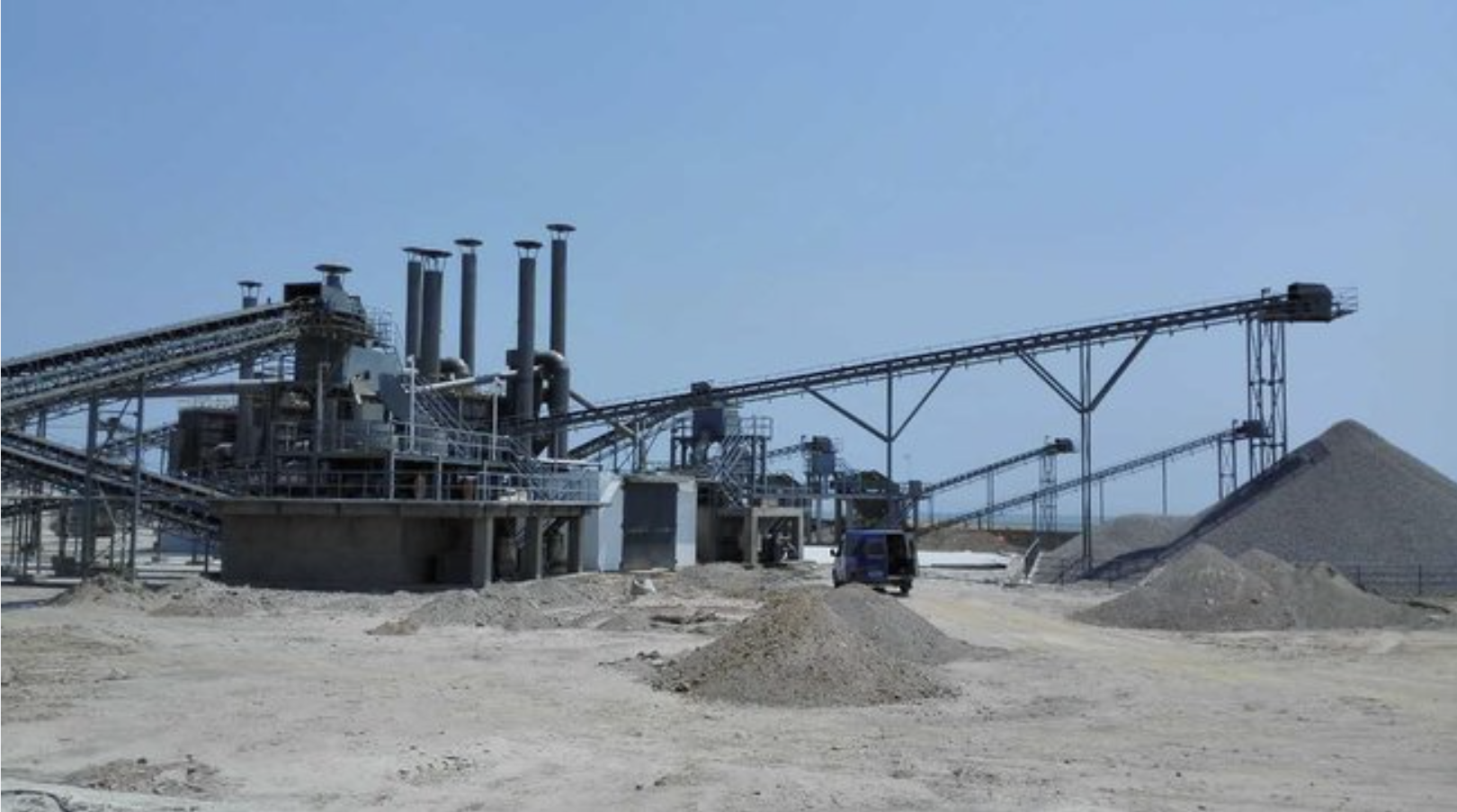
The active lime calcination system consists of one vertical preheater, rotary kiln and vertical cooler.
(1) Vertical Preheater The vertical preheater is made up of the preheater main body, storage bin, feeding pipe, hydraulic pusher assembly and other components. The preheater is available in polygonal and circular types. Partition walls are installed inside to heat limestone gradually, so as to prevent sharp temperature rise that causes bursting and excessive fine powder. The decomposition rate of limestone entering the rotary kiln reaches 30%–40%. The average temperature of exhaust gas discharged is 230°C–260°C, which reduces the heat consumption of the whole system.
(2) Rotary Kiln The rotary kiln consists of cylinder, supporting assembly, variable speed drive assembly, thrust roller assembly, kiln tail and kiln head seals, and kiln head hood. The kiln cylinder is installed at an inclination of 3.5% to the horizontal plane. It is equipped with two sets of supporting assemblies. The roller bearings are water-cooled plain bearings with oil-spoon lubrication and spherical bushes for automatic self-alignment. A hydraulic thrust roller is arranged near the large gear ring. The kiln cylinder is driven by a variable-frequency speed-regulating motor, and an auxiliary drive is also provided. Spring leaf seals are adopted for both kiln head and kiln tail. Combined with the decomposition rate achieved in the preheater, the variable-frequency drive can effectively control calcination time and temperature to satisfy the specification limits of under-burning and over-burning. The burner is a four-channel co-firing burner for coal and gas. It is flexible and easy to adjust. The jet velocity of each air duct can be adjusted freely during operation. It can form any required flame under different kiln working conditions, and the calcination temperature inside the kiln can be controlled easily.(3) Vertical Cooler The vertical cooler is composed of cooler main body, fixed screen, cooling air assembly, electric vibrating discharger and other parts. The interior of the vertical cooler is divided into several cooling and discharging zones. The discharging speed of each zone can be controlled independently according to material temperature. Cooling air is in direct contact with hot lime inside the cooler, achieving excellent cooling effect and low lime discharge temperature; the outlet temperature of lime is about 40°C higher than ambient temperature. After heat exchange with hot lime, the cooling air can be preheated to over 600°C. Part of this hot air is used as secondary combustion air for the rotary kiln, and the rest is used for drying pulverized coal. The cooler has no moving parts, featuring simple structure, good cooling performance and low maintenance workload.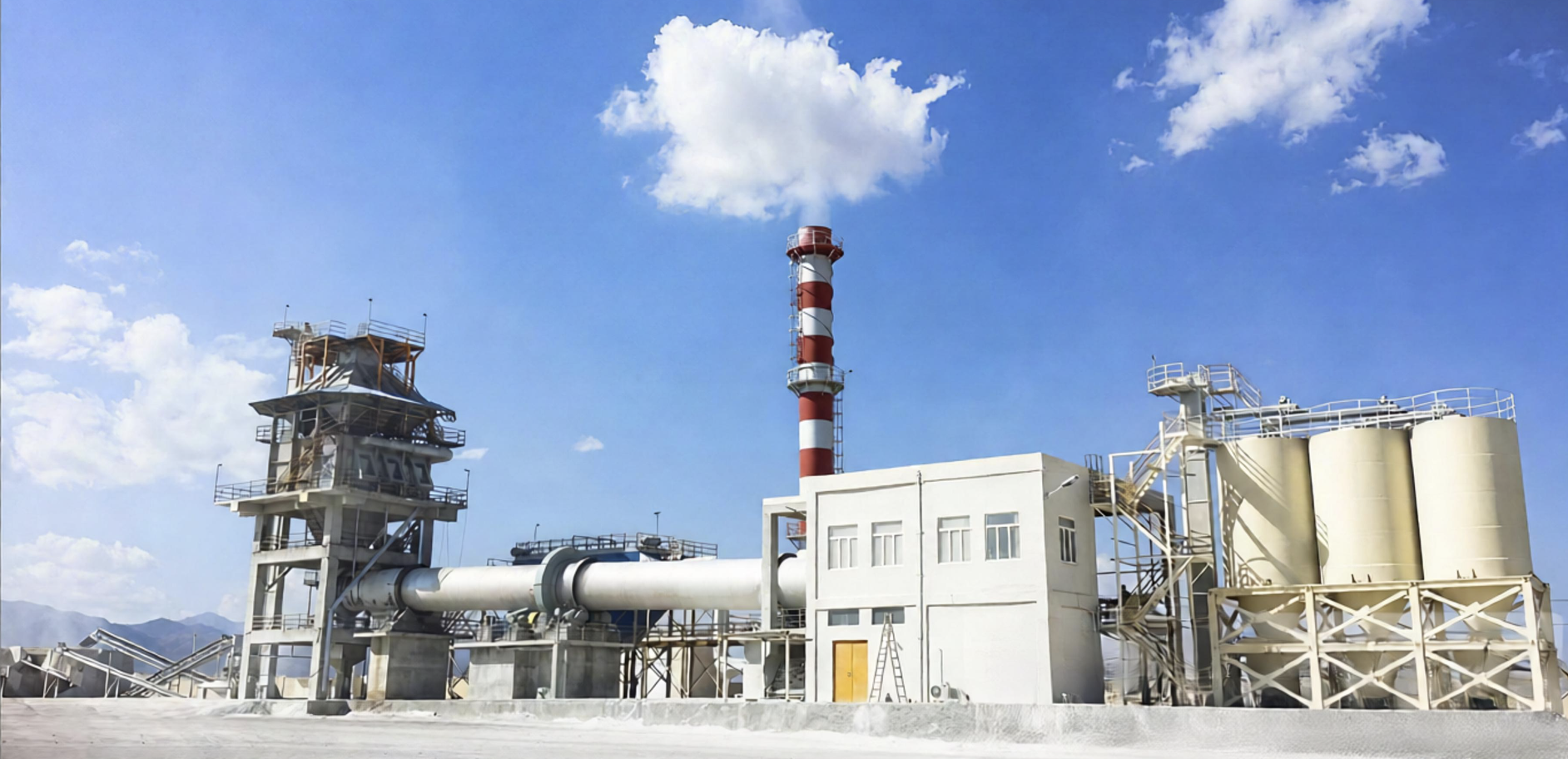
Active Lime Production Line – Pulverized Coal Preparation System
Pulverized coal preparation is an important part for coal-firing in the rotary kiln system of the active lime production line. There are generally two types of systems. One is the pulverized coal preparation system consisting of an air-swept tube coal mill and a bag dust collector. This system features easy operation and a clean working environment. Its process flow is as follows: Coal lumps with particle size ≤25 mm are fed onto a belt conveyor by a process bucket elevator, then conveyed into the raw coal silo. Material is fed from the bottom of the raw coal silo into the coal mill via a disc feeder or electromagnetic vibrating feeder. The coal mill integrates grinding and drying functions. During grinding, hot air from the rotary kiln system or hot flue gas from the auxiliary combustion chamber is introduced for drying. The coal dust-laden gas leaving the coal mill is drawn by the exhaust fan into the powder classifier for separation. Coarse coal particles return to the mill through an automatic ash discharge valve for re-grinding. Fine powder is carried by the airflow into the bag dust collector to realize gas-solid separation. The gas from the classifier is purified by dust collection and discharged by the exhaust fan. Part of the waste gas is recirculated into the coal mill, and the rest is discharged to the atmosphere through the chimney. The pulverized coal collected by the dust collector is discharged into the pulverized coal storage bin before the kiln. As required, the pulverized coal is delivered to the kiln burner by a Roots blower and combusted with air supplied by the burner combustion fan for limestone calcination.
Finished lime is conveyed from the cooler to the bucket elevator by a chain bucket conveyor and lifted to the top of the silo. After screening, qualified products with particle size above 5 mm are transported by belt conveyor to the finished lime silo, while fine powder below 5 mm is sent to the powder silo. Electric discharge valves are installed under both the finished silo and powder silo. The finished silo mainly serves buffering and metering purposes. Finished lime should be delivered to steel mills and calcium carbide plants in a timely manner to reduce pulverization.
High-temperature flue gas generated by combustion in the rotary kiln exchanges heat with limestone in the preheater, and its temperature drops below 260°C. The gas is further cooled by a multi-tube cooler and then enters the high-temperature bag dust collector. After dedusting, the flue gas is discharged to the atmosphere through the chimney by the high-temperature fan. The dust concentration of exhausted flue gas is less than 30 mg/Nm³.

Submit Request