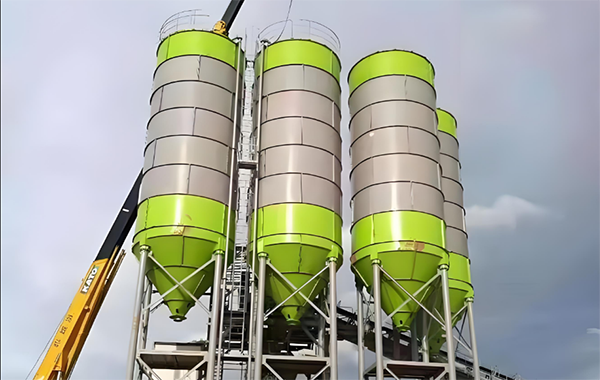
Concrete mixing plants usually use stones, sand, cement, fly ash, and essential water to mix concrete.
So what is a water reducing agent? As the name suggests, a water reducing agent is a "medication" that can reduce water usage. By reducing the amount of water used, other materials are used more, aren't they? Why is there still a need to reduce the amount of water used when water is cheap among these aggregates and powders.
Concrete mixing, in layman's terms, refers to mixing with mud. When there is too much water, the mud becomes thin and sticky, making it prone to brittle cracking and detachment; If there is too little water and it becomes too viscous and immobile, or if the dry mud has no viscosity, it is easy to break and bond poorly.
With the development of technology such as highways and high-speed railways, the requirements for concrete strength in engineering are becoming increasingly high. We need concrete that can move and has high strength and strong adhesion. What should we do? Water reducing agents come in handy.
Water reducing agents can reduce the amount of water used during the concrete mixing process without reducing the workability, firmness, and viscosity of the concrete. Adding a certain amount of water reducing agent to concrete can meet the requirements of high-speed and high-quality engineering.